EXCENTRIC pilots: how will they promote digital innovation in culture

Europe’s cultural experience sectors: festivals, museums, theatres, live music, are full of creativity, but many organisations still struggle to make the most of digital tools and data. EXCENTRIC, a three‑year European project, is changing that by supporting cultural organisations use data in ways that are collaborative, ethical, and genuinely useful for their day‑to‑day work.
At the heart of this project are its pilot partners: real cultural organisations working on the ground. They’re not just “testing” solutions, but co‑creating them, shaping methods, and showing what responsible, human‑centred digital innovation can look like in the cultural sector.
Who are the Pilot partners?
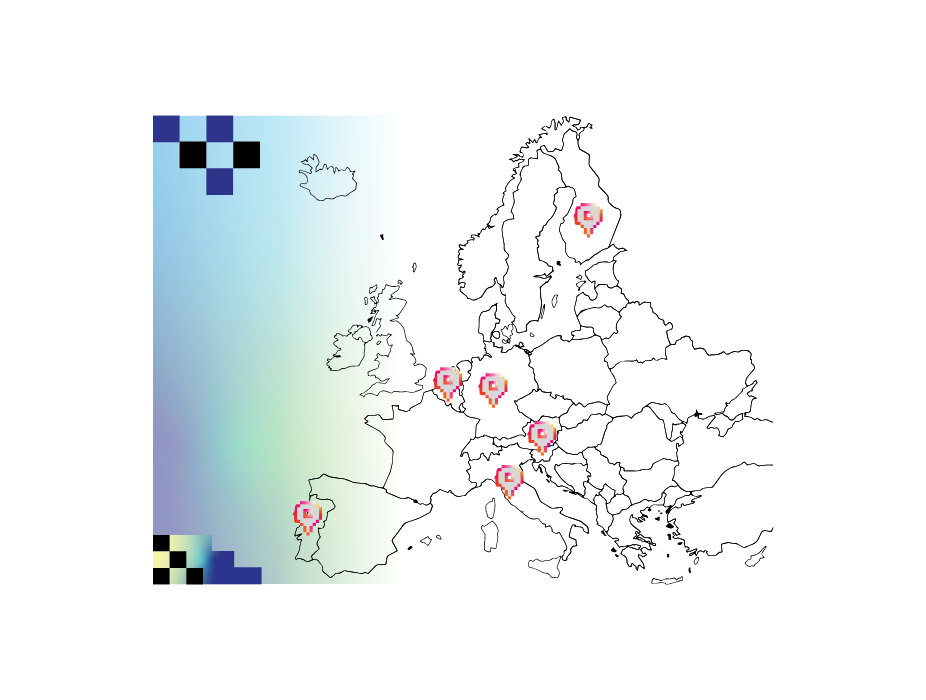
Six cultural organisations form the core of EXCENTRIC’s pilot cohort:
- Fondazione Romaeuropa Arte e Cultura (Italy) – one of Europe’s leading interdisciplinary arts and festival organisations, exploring new forms of audience engagement and programming.
- Drustvo Racunalniski Muzej – The Computer Museum Society (Slovenia) – a museum dedicated to digital heritage, exploring how data can support visitor interaction and collection‑related insights.
- Oulun Kulttuurisäätiö sr – Oulu Cultural Foundation (Finland) – a cross‑sector cultural foundation working on community‑focused cultural experiences and resource planning.
- CTL Cultural Trend Lisbon Production & Management LDA (Portugal) – an organisation embedded in Lisbon’s live‑music scene, working on data‑informed programming and artist‑audience connections.
- Stadt Dortmund (Germany) – representing the theatre and performing‑arts ecosystem in Dortmund, focusing on improving audience experience and operational decision‑making.
- European Festivals Association (Belgium) – a pan‑European network representing hundreds of festivals, amplifying learning across borders and ensuring broad adoption.
They are joined by umbrella and research partners, namely: LIVE DMA, Europeana, WAAG, Ars Electronica (AE), Museum Booster (MB), Erasmus University Rotterdam (EUR) and KEA European Affairs, who provide technology, mentoring, policy expertise, and international outreach.
Pilots turning ideas into real‑life innovation – EXCENTRIC’s blueprint:
1. Understanding each organisation’s needs
The first stage involves interviewing teams, analysing workflows, and understanding the challenges each organisation faces from managing audiences to planning events, handling collections, or making better use of data. These findings shaped clear action plans for each pilot.
2. Co‑creating solutions
Rather than receiving ready‑made tools, pilots work alongside designers and technologists in workshops and design sprints. Together, they build early prototypes including visitor‑flow tools, audience engagement dashboards and shared data practices tailored to each organisation’s daily reality.
3. Trying out new tools in real working conditions
Once developed, these prototypes are tested inside the pilot organisations:
- in exhibitions,
- at festival venues,
- in theatres,
- in live‑music programmes,
- and within the teams who need them most.
Pilots give feedback, suggest improvements, and help refine the digital tools until they effectively support their work.
4. Joining a Europe‑wide learning community
All pilots participate in EXCENTRIC’s Accelerator, a year‑long programme led by Museum Booster. Here, they meet regularly, exchange experiences, attend mentoring sessions, and work together in a Community of Practice: a collaborative learning group that strengthens sector‑wide knowledge.
They also take part in open “Demo Days” where prototypes are presented to the cultural sector, helping to build wider engagement and transparency.
5. Mapping how cultural organisations collaborate
Pilots contribute to a Europe‑wide network and transversal analysis, led by EUR, which studies how cultural actors work together, share knowledge, and build trust – crucial for any collaborative data initiative. Their insights feed into a Toolkit on Collaborative Data Practices, a hands‑on guide for others.
6. Planning for long‑term sustainability
Pilots don’t just test tools – they help design how these tools can live on. They work with Ars Electronica and Museum Booster to build:
- sustainability plans,
- reusable templates,
- case studies, and
- fictional future scenarios
that help other cultural organisations replicate EXCENTRIC’s approach.
This work ties into the EXCENTRIC LABs, a set of Skills, Policy, and Market Labs that bring together cultural professionals, tech communities, and policymakers to support long‑term uptake.
7. Shaping Europe’s future Cultural Policies
KEA and the pilot teams translate on‑the‑ground experience into policy recommendations for the EU and Member States. These policies focus on how cultural organisations can adopt digital tools in ways that are responsible, fair, human‑centred, and sustainable. The culmination is a Policy Package: a practical guide for decision‑makers.
A human‑centred approach to Digital Transformation
Above all, EXCENTRIC’s pilots ensure that digital tools serve cultural organisations and not the other way around. The project’s guiding principles, known as ARCHS (Adaptive, Responsible, Collaborative, Human‑centric, and Sustainable) ensure that digital innovation respects the people who make culture happen: artists, producers, technicians, curators, managers, audiences, and communities.
This means:
- designing tools that fit real needs,
- ensuring ethical and transparent use of data,
- upskilling teams and building digital confidence,
- and strengthening the sector’s long‑term resilience.
This matters because many cultural institutions today operate with limited staff and shrinking budgets, making digital transformation feel overwhelming or inaccessible. EXCENTRIC’s pilots aim to show another way: digital innovation that is collaborative, supportive, and rooted in everyday practice.